
What is FAIR Method
FAIR Method – AI-Assisted Hair Transplantation (Follicular Artificial Intelligence Restoration)
The FAIR Method, short for Follicular Artificial Intelligence Restoration, is a cutting-edge advancement in hair transplantation that uses artificial intelligence (AI) to enhance planning, precision, and outcomes. Unlike traditional approaches that depend mainly on manual surgeon experience, the FAIR Method integrates data-driven AI analysis with expert surgical execution to create predictable and natural hair restoration results.
FAIR is not a replacement for proven techniques like traditional FUE or DHI. Instead, it represents their evolution — combining clinical expertise with intelligent, repeatable, and measurable planning strategies.
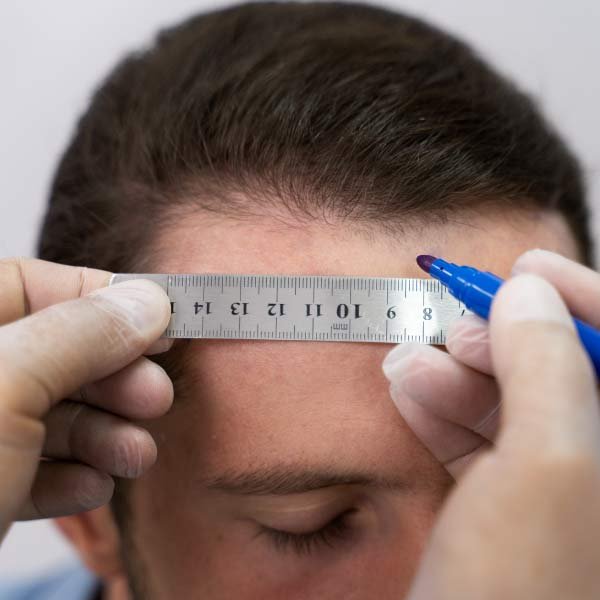
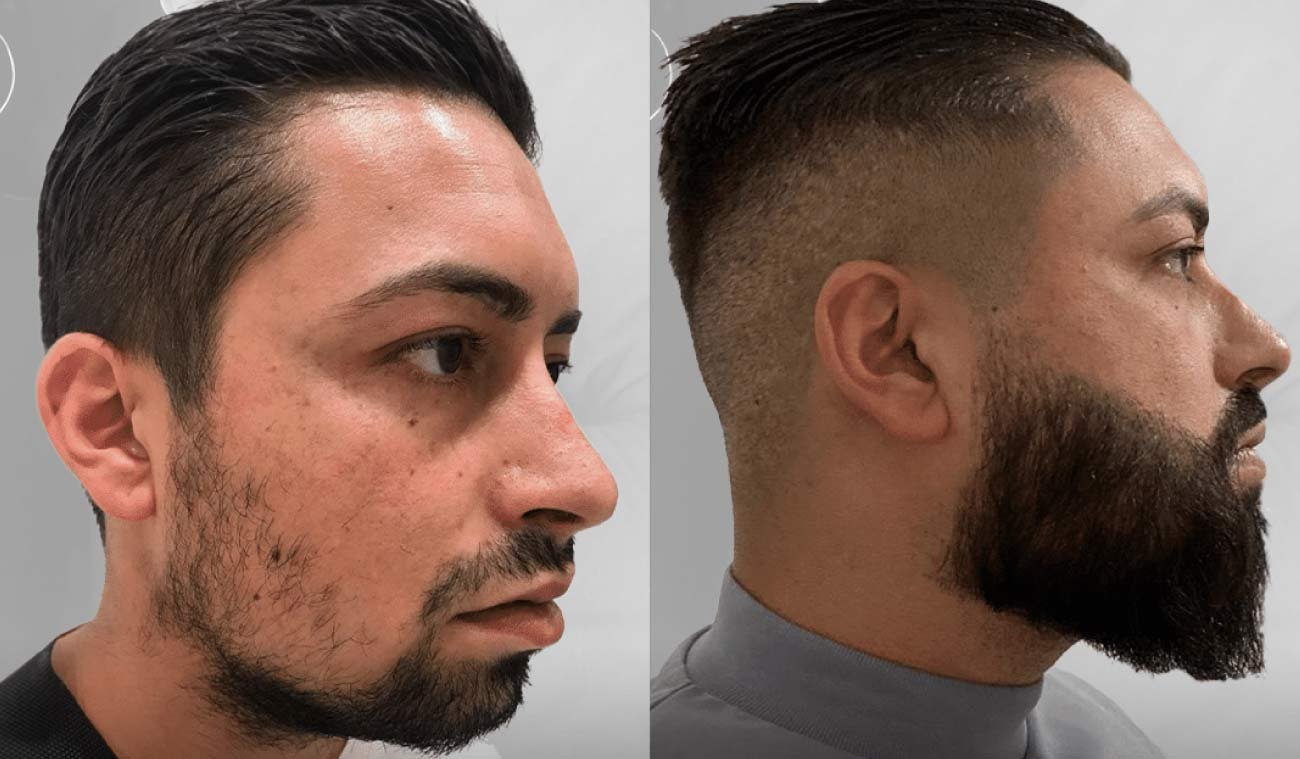
How FAIR Works: Smart Planning Meets Surgical Precision
The FAIR Method uses advanced AI and machine learning to analyze thousands of data points from your scalp and hair characteristics before the procedure. The system considers:
- Hair follicle direction and angle
- Hair shaft thickness and density
- Donor area distribution
- Sensitivity to DHT (a hormone linked to hair loss)
This data forms a customized surgical plan that defines the best extraction points, growth direction, and placement strategy. The outcome is more accurate, efficient, and tailored to your unique hair profile.
Why FAIR Is Different From Traditional Hair Transplant Methods
| Feature | Traditional FUE / DHI | FAIR Method |
|---|---|---|
| Planning | Based mostly on surgeon experience | Supported by AI data modeling |
| Predictability | Varies by practitioner | Higher consistency from algorithmic insight |
| Donor Resource Use | Standard approach | Insights optimize donor use and scar minimization |
| Natural Results | Good | Enhanced naturalness using facial symmetry and hair behavior data |
| Need for Second Session | Possible | Reduced with optimized planning |
Berkay Tulpar
Performed advanced diagnostic imaging (MRI, EEG) to rule out secondary causes.
Advantages of the FAIR Method
AI-Enhanced Precision
AI analyzes hair behavior at a micro level, helping define the ideal angles, depth, and placement of each follicle for natural aesthetic outcome.
Optimized Donor Usage
By better understanding donor area density and strength, FAIR aims to maximize graft use and potentially reduce the need for future sessions.
Natural Hairline Design
The FAIR approach models hairline shapes based on facial proportions, age, and hairstyle preferences for a look that blends seamlessly with your features.
Reduced Risk & Better Planning
AI helps identify high-risk areas and variations in scalp properties, allowing surgeons to customize techniques and minimize unforeseen complications.
FAIR Workflow: From Data to Results
Data Collection
High-resolution imaging and scalp analysis to gather precise hair metrics.
AI Modeling
Intelligent software synthesizes collected data to create a personalized hair transplant plan.
Surgical Planning
The surgeon reviews the AI plan and adapts the strategy based on clinical expertise.
Procedure Execution
Hair follicles are carefully extracted and placed according to the optimized map.
Post-Procedure Follow-Up
Regular monitoring and care enhance graft survival and support long-term outcomes.
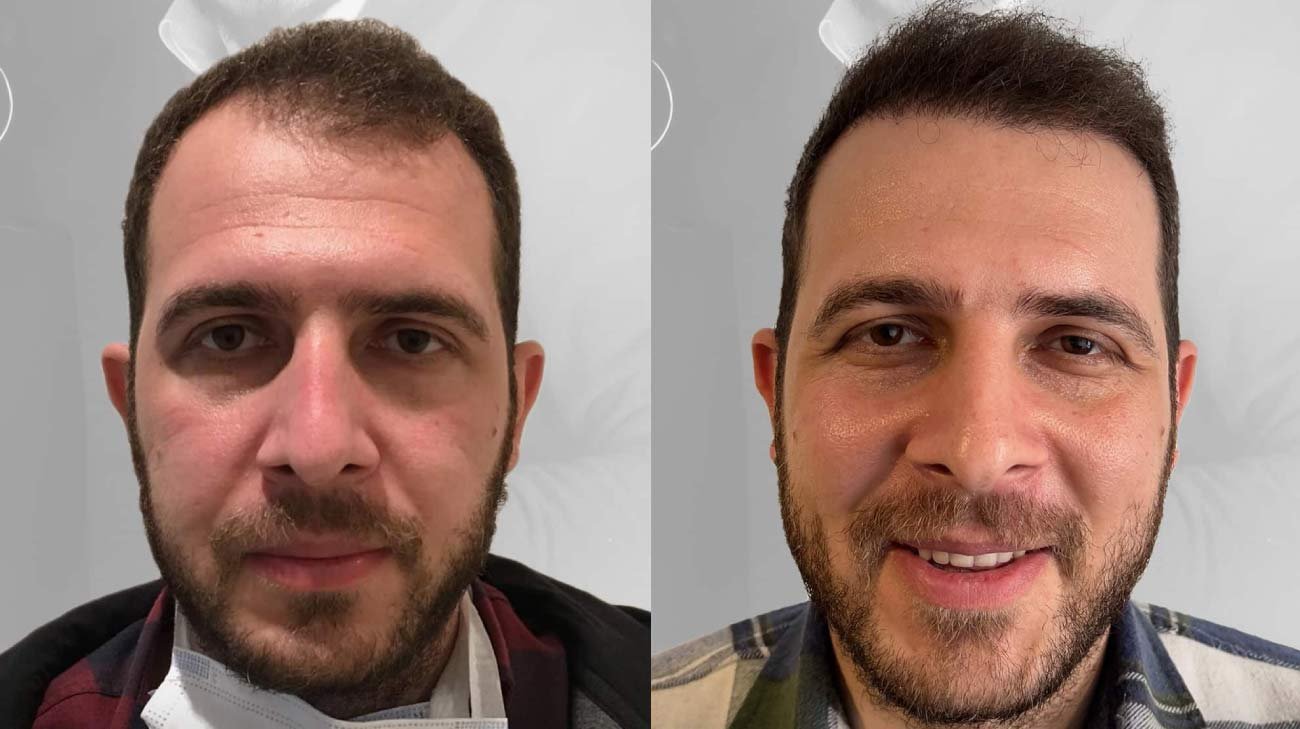
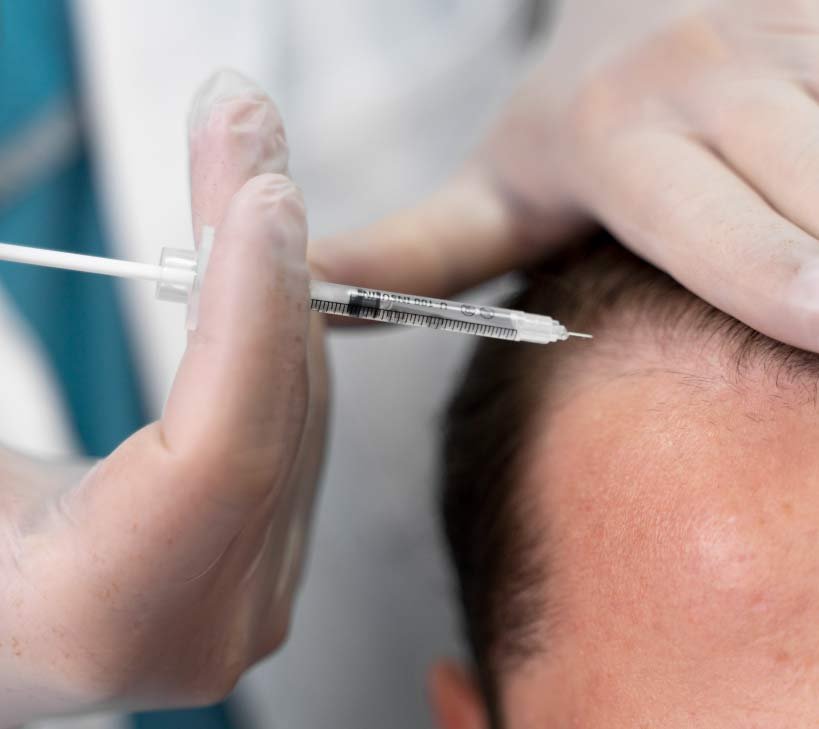
Who Is an Ideal Candidate for FAIR?
The FAIR Method is suitable for patients seeking:
- High-quality natural hairline and density
- Efficient use of donor hair
- Predictable results with reduced need for secondary procedures
- Personalized hair restoration planning
This method is particularly beneficial for European and international patients who value precision, predictability, and advanced technology alongside expert surgical care.
Results & Expectations
The FAIR Method continues to align with monthly and yearly growth cycles seen in traditional hair transplant techniques — early regrowth begins in months 3–6, with final outcomes visible around 9–12 months. The AI-assisted planning helps align real results with pre-procedure simulations, offering clarity and confidence in expected outcomes.
FAIR vs. Classic FUE/DHI
While classic FUE and DHI remain excellent hair transplant techniques with high success rates and minimal scarring, the FAIR Method enhances these foundations with AI supported planning and data-driven decisions — making your hair restoration journey smarter, more accurate, and often more efficient.
Conclusion
The FAIR Method represents the next generation of hair transplantation — where traditional surgical excellence meets artificial intelligence. At SIMEDERA Clinic, we use the latest innovations in hair restoration technology to ensure natural, dense, and long-lasting results for patients traveling from across Europe and around the world.